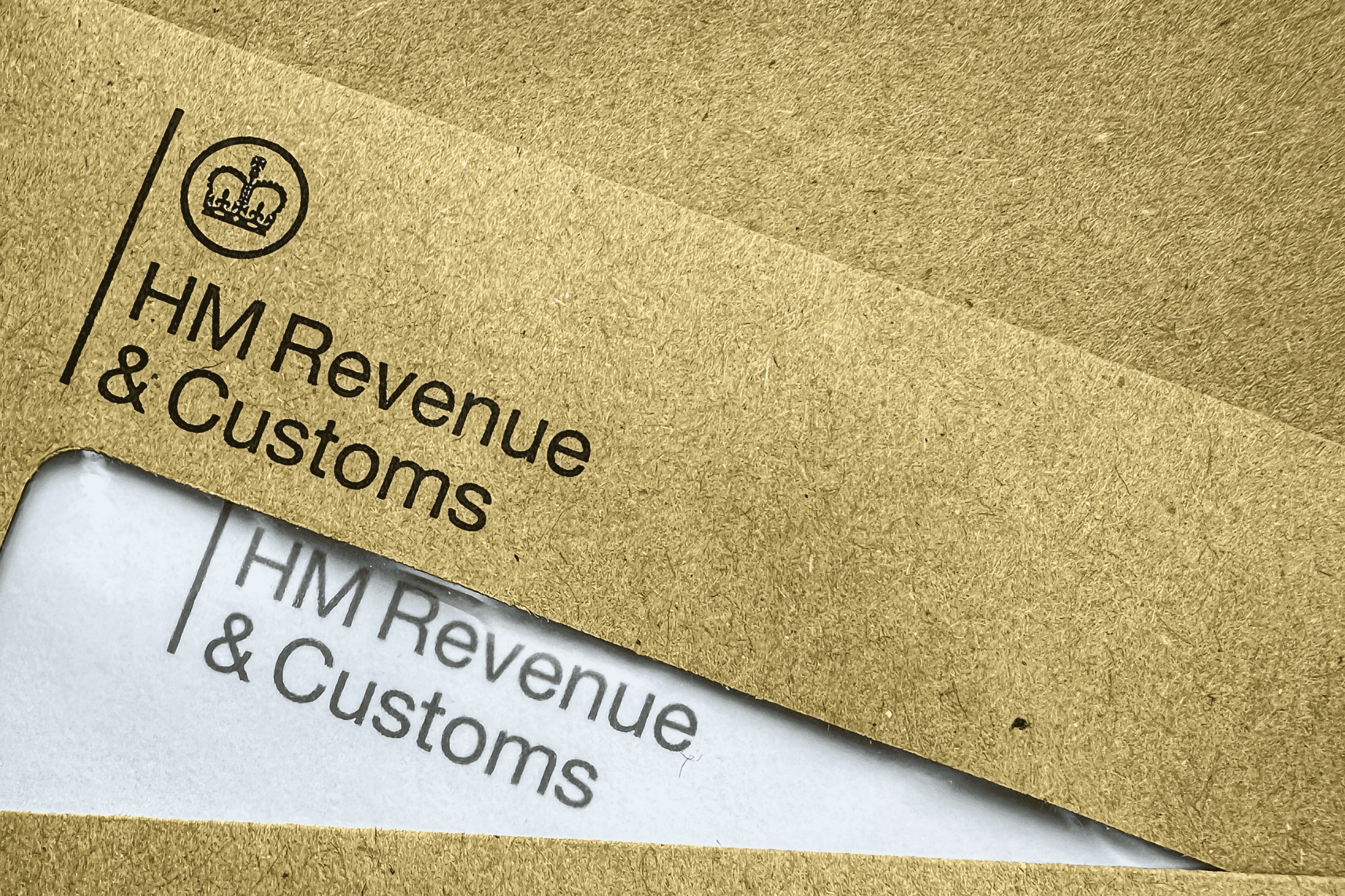
If HM Revenue and Customs (HMRC) gets in touch to say they want to review your accounts, its best to be prepared. Else you could be facing penalties, investigations or even criminal charges. HMRC compliance checks involve looking through your past accounts and tax returns to see if anything has been filed incorrectly, but they are nothing to fear if you do your due diligence.
What does a Compliance Check HMRC involve?
Before a HMRC audit is completed, you or your accountant will be notified and told the specific areas the compliance check will investigate. This could be your taxes, accounts and tax calculations, Self-Assessment tax return, or PAYE records and returns. The HMRC representative will ask questions about your account and may ask to visit your place of business.
While you can refuse a visit or investigation from HMRC, if you do not have a reasonable excuse such as illness or grievance you will have to pay a penalty.
Following the investigation, you will be informed of the results and if there are any corrections which need to be made. If you are found to be paying too much tax, then this will be repaid. If you owe money, you will be given 30 days to pay, and you may also be charged a penalty fee.
If you wish to contest HMRC’s decision, then you can file an appeal.
Preparing for a HMRC compliance check
HMRC could ask to check your accounts at any time so you should ensure your taxes are always filed correctly and on time. Hiring a good accountant and financial adviser can help you ensure you are following correct procedure. Make sure you have detailed and comprehensive bookkeeping in place. Furthermore, understand your tax requirements and keep abreast of any changes that occur.
What triggers a HMRC compliance check?
Tax investigations may just be randomly conducted to check you are filing your taxes correctly, and in these tend to be quicker and less exhaustive as there is no reason to suspect wrongdoing. They can look through the past 4 years of tax records.
Aspect inquiries may occur if there is a discrepancy between your income and tax payments, delays to paying tax returns, or other suspicious transactions which are likely the result of human error. They will investigate a specific area of your payments and can look at the past 6 years of records.
Full inquiries take place when there is reason to suspect someone is deliberately dodging tax payments. These tax compliance checks are comprehensive and can investigate up to 20 years of past accounts.
At J Sweeney, we have a team of expert accountants and tax advisors to ensure any compliance checks are passed with flying colours. To learn more, get in touch by calling 01604 950034 or emailing [email protected].